County’s Review of the August 11 Flood Calls for Better Damage Records Before the Next One
Somerset County's after action review of the August 11 flash flood found the damage did not meet SBA or state DRAP aid thresholds, and calls for better damage documentation and municipal preparation before the next disaster.
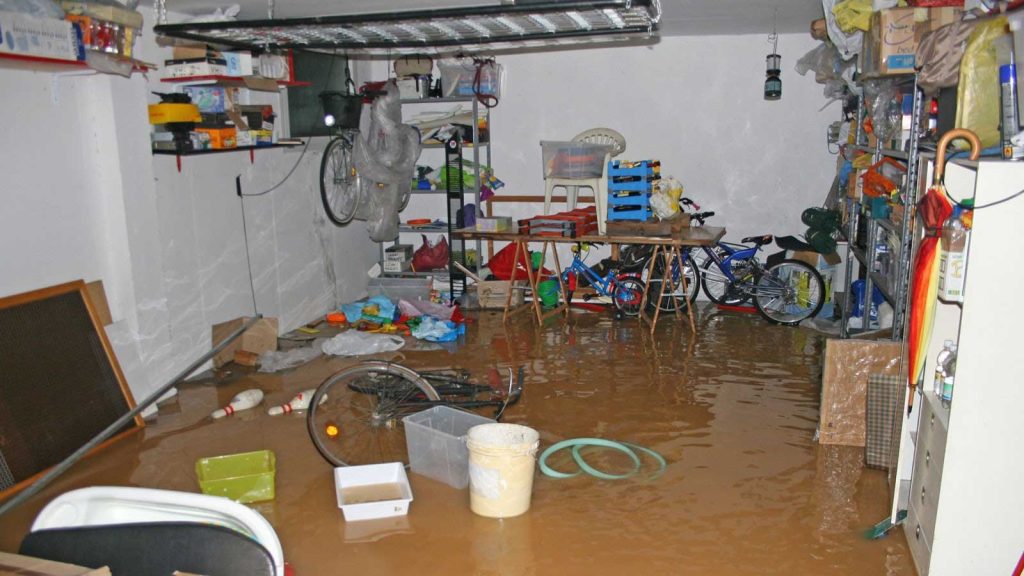
Somerset County Emergency Management has finished its after action review of the August 11 flash flood that hit Ursina, Confluence and the rest of southern Somerset County. Its central finding is one plenty of residents reached on their own back in August: the damage was real, and it still did not meet the thresholds for the disaster aid people were counting on. The county announced the review on October 19.
The flood followed heavy rain that sent water up fast, filling homes and basements, damaging roads and bringing down trees and wires across the region. According to the review, the August 11 event fell short of the applicable thresholds for the Small Business Administration disaster assistance that had been anticipated, and for the state’s Disaster Recovery Assistance Program (DRAP), which offers grants to lower-income households when federal help is not available.
“Residents see their homes damaged, their belongings destroyed, and their communities struggling to recover,” said Joel Landis, the county’s emergency management director. “From their perspective, the disaster is very real, regardless of what a funding threshold says.”
The review makes a point worth remembering for next time. Documenting damage is essential, and residents were right to report it even when it seemed minor. But documentation alone does not guarantee that a disaster will qualify for any particular program. Every program has its own eligibility rules, paperwork and dollar thresholds, and they can limit help even when the damage on the ground is plain to see.
So the county wants the process to start sooner and run cleaner. The review calls for municipalities to better understand the difference between damage to private homes and damage to public roads and bridges, which are assessed separately. It asks for consistent, timely photographs, measurements and repair estimates; more familiarity with Crisis Track, the system the county and state use to log damage; a firmer grasp of DRAP rules and deadlines; earlier coordination among municipalities, the county and state recovery officials; and plainer public communication about what declarations and thresholds mean and what they cannot do.
Small townships got particular attention. Many run on tight budgets and may not keep the engineering records or pre-flood condition assessments needed to put a quick, defensible price on a damaged road, bridge or culvert. Deciding whether a road should be repaired or replaced can take an engineer, old records and cost estimates that nobody has on hand the morning after. The review recommends training and planning before the next storm, including practical guidance on documenting damage, identifying eligible costs and keeping records.
“We need to help our municipalities prepare before the next event, rather than expecting them to learn a complicated recovery process while dealing with damaged infrastructure and residents who need answers,” Landis said.
The review also credits the people who showed up: municipal officials, county and local emergency management staff, the American Red Cross, the Salvation Army, churches, volunteers and residents who helped their neighbors. Closer to home, those weeks also saw the United Community Church of God in Ursina serve as the command center for cleanup supplies, and state Rep. Carl Metzgar and Sen. Pat Stefano work to combine Somerset and Fayette County damage into one report.
The full review will be released through Somerset County Emergency Management once it receives final approval. In the meantime the county asks residents to watch official weather alerts, stay out of flooded roadways and report damage through local channels when asked. Updates are posted on the county’s emergency services Facebook page.
“An after action review is not about assigning blame,” Landis said. “It is about taking what we experienced, learning from it, and making the next response better.” The rain will come again. The county’s bet is that next time, the paperwork will be ready before the water is.