A $13 Billion Power Plant Is Coming to Fayette County
NextEra's $13 billion East Riverside Energy Center would rise on old coal ground along the Monongahela in Fayette County, with an estimated 30 million gallons a day drawn from the river. Here's what's confirmed, what isn't, and how to weigh in.
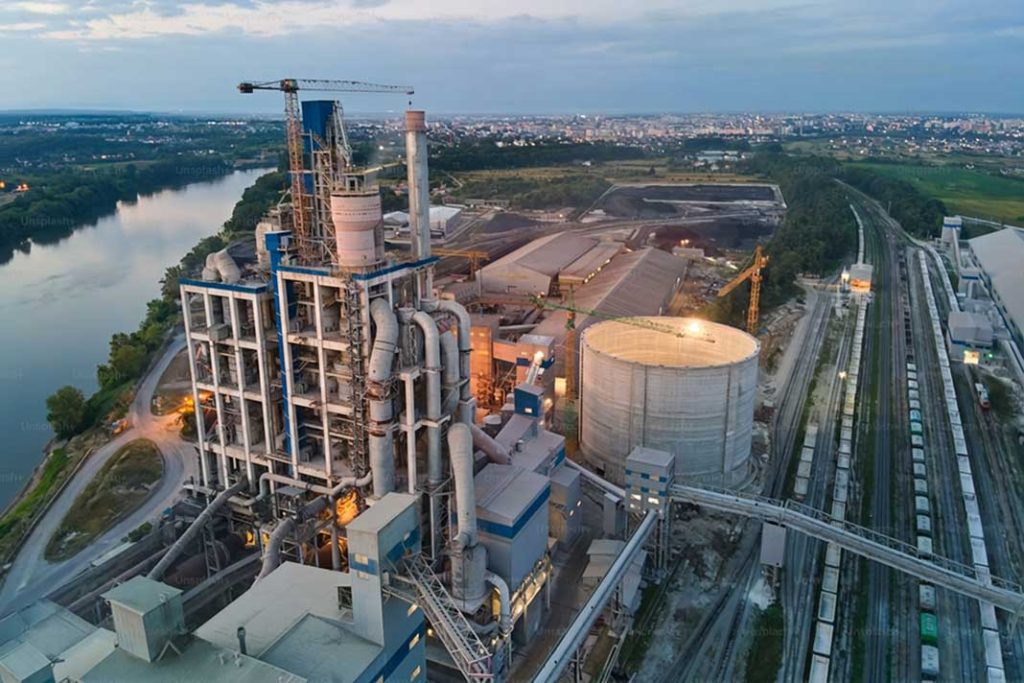
That’s not all… it wants 30 million gallons a day from the mon.
Fayette County is about to get the biggest single investment it has ever seen, and neighbors up and down the Monongahela, the Yough and the Casselman have reason to watch how it turns out.
NextEra Energy Resources has picked a 700-acre stretch of old coal ground in Luzerne Township, near the community of Isabella, for the East Riverside Energy Center, a natural gas power plant rated at 3.75 gigawatts. That makes it one of the largest gas-fired plants proposed anywhere in the country, with six 150-foot smokestacks planned along the river. The price tag is $13 billion, part of a $17 billion Japanese investment in Pennsylvania power generation tied to a U.S.-Japan trade agreement. The plant is being built to help feed the electricity data centers are demanding across the region. According to reporting since the September 1 announcement, ownership of the finished plant may end up resting with American and Japanese investors rather than NextEra itself, though the exact structure is still being sorted out.
Fayette County Commissioner Scott Dunn, who has been talking with the developer for six months, called it the most significant investment the county has ever seen. State Sen. Dave McCormick framed it as a kind of homecoming, saying the Mon Valley built the steel that built America and now it will build the power that fuels America’s future. The numbers behind that optimism: roughly 2,000 construction jobs as the plant goes up in phases through 2030, 2031 and 2032, and about 100 permanent positions once it’s running.
Here’s the number that ought to get Fayette County’s attention too. The Mountain Watershed Association, the Melcroft-based group that keeps an eye on water quality across this corner of the state, reports the plant is expected to draw about 30 million gallons a day from the Monongahela River. Engineering is still underway and no water permit has been finalized, so that number could change. But if it holds: by a common estimate of roughly 80 gallons a person a day, that’s more water than the entire population of the city of Pittsburgh uses in a day. Some of it comes back to the river after treatment, according to early project reporting, but a gas plant that size will also lose water to evaporation in its cooling system, and nobody has published a number yet for how much.
To be fair, this isn’t the first big power plant on this stretch of the Mon. Boosters point out that a similar-sized plant already operates on the river nearby without generating noise or air-quality complaints, and that the 700 acres in question is old coal ground with no other obvious use waiting for it. Critics aren’t reassured by the comparison, and they want the water and air permits settled in public, not after ground is broken.
That public conversation is starting either way. The Mountain Watershed Association is holding a People’s Town Hall on Data Centers in Fayette County on Thursday, September 10, at the Connellsville Community Center. The developer has its own public meeting tentatively set for September 15, though the time and location weren’t posted as of this writing. Any water withdrawal will still need to clear the Pennsylvania Department of Environmental Protection’s Southwest Regional Office in Pittsburgh, and that’s where the real numbers, not the estimates, will finally show up.
Gov. Josh Shapiro’s office issued an executive order in August requiring data center developers to win local approval and cover their own power costs. Whether a power plant built to feed those data centers, rather than a data center itself, falls under that same order is an open question, and one worth asking before this gets too far along to change course.
Six smokestacks and a $13 billion investment are a lot to take in for a county that has spent decades figuring out what comes after coal. Worth going to a meeting or two before Fayette County finds out what the future of power costs a river that already runs through Somerset County’s backyard.