Blue Hole Creek: Lead Found, State Issues a Warning but No Required Cleanup
MWA monitoring found lead in Blue Hole Creek's headwaters at 25 times the federal action level. DEP has issued a warning, not a binding cleanup order.
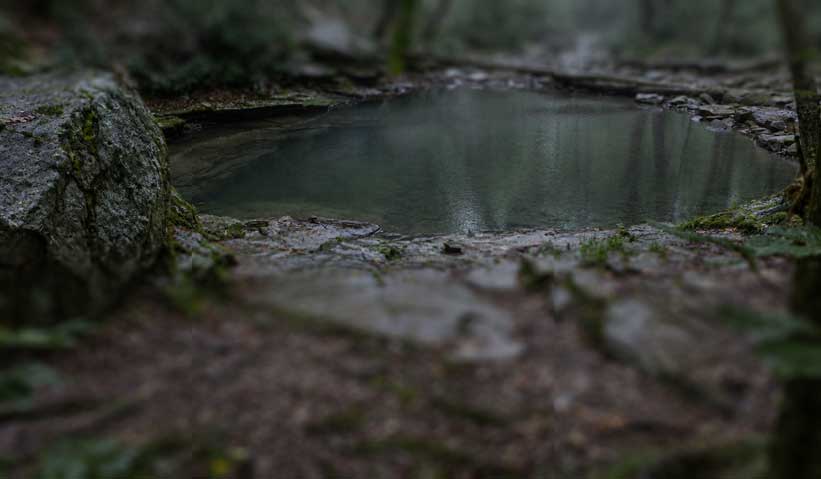
Blue Hole Creek is one of the best loved swimming spots in the Laurel Highlands, a cold, clear pool along the Laurel Highlands Hiking Trail. It is also, we have now learned, carrying lead. Monitoring by the Mountain Watershed Association has found lead in the creek’s headwater tributaries, and so far the state has issued a warning but has not required a cleanup. For anyone who cares about this water, that gap is the problem.
What was found
The Mountain Watershed Association traced the contamination to operations at the Highlands Sporting Clays shooting range. Its monitoring recorded lead in the headwater tributaries that feed Blue Hole, including a reading of 372 parts per billion near the hiking trail. For a creek that once held Pennsylvania’s Exceptional Value designation, the state’s highest level of water quality protection, that is a serious finding.
372 ppb: Lead measured in a Blue Hole headwater tributary near the hiking trail. The federal action level for lead in drinking water is 15 parts per billion, so this reading is roughly 25 times that threshold.
Why it matters
Lead does not simply wash downstream. It settles into the sediment, builds up in the aquatic insects on the streambed and the fish that eat them, and disrupts the reproductive cycles that keep a stream’s food web functioning. There is a direct human risk as well. Blue Hole is a popular swimming destination, and the hiking trail crosses these headwaters, where backpackers routinely filter their drinking water. People may have been filling bottles from contaminated tributaries with no way of knowing.
What the state has and has not done
According to the Mountain Watershed Association, the Department of Environmental Protection was aware of the contamination for more than a year before it became public. The agency has since issued the shooting range a Notice of Violation, and the range has reportedly begun treating contaminated soil on its property.
A Notice of Violation, however, is a warning, not a binding requirement. What the Mountain Watershed Association is asking for is an enforceable consent order: a legally binding agreement with deadlines, cleanup standards, and consequences if the polluter falls short. Without one, the pace and completeness of any cleanup depend on voluntary effort.
What residents can do
The Mountain Watershed Association has opened a sign-on letter urging DEP to move from a warning to enforcement, and is asking individuals and organizations across the region to add their names. The case is straightforward: a stream this valuable, and this heavily used by the public, should not have to wait years for a binding cleanup plan.
Reporting and figures from the Mountain Watershed Association’s account of the Blue Hole Creek gathering (September 2026). The 372 ppb reading and the 15 ppb federal drinking-water action level are as cited by MWA.