Health department: Somerset County has 14 cases of measles
Somerset County is among 12 counties in Pennsylvania where measles is spreading without a specific, identifiable source for some or all of the 14 cases reported in the county as of Monday, according to the state Department of Health. Controlling the spread of the disease can be more difficult when a source can’t be identified….
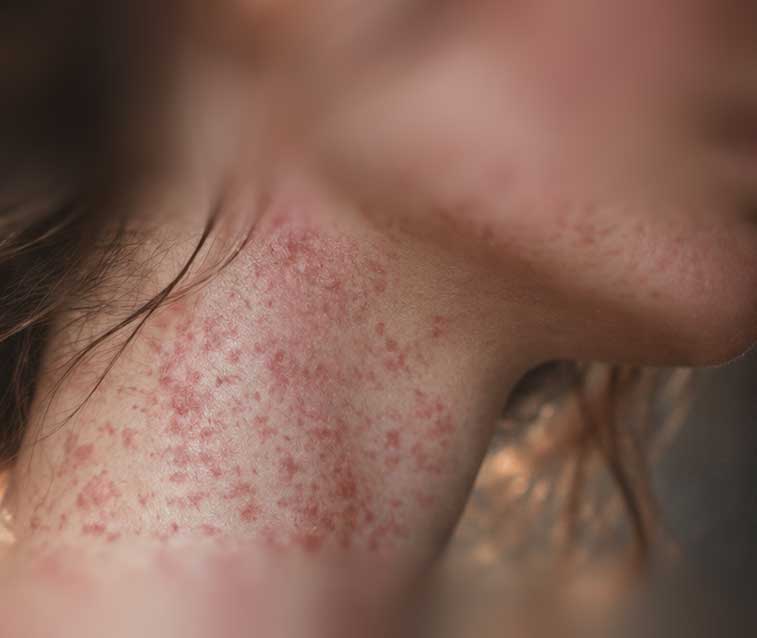
Somerset County is among 12 counties in Pennsylvania where measles is spreading without a specific, identifiable source for some or all of the 14 cases reported in the county as of Monday, according to the state Department of Health.
Controlling the spread of the disease can be more difficult when a source can’t be identified. Symptoms can begin up to 21 days after exposure.
Westmoreland and Bedford counties each reported two cases of the highly contagious respiratory disease to date, while Fayette had no reported cases. So far, the disease has spread within 39 counties or 58% of Pennsylvania’s 67 counties.
In all, there were 1,004 cases of measles statewide by Oct. 5, with 106 new cases identified in the previous week alone, according to the health department. To date, there have been 198 hospitalizations in Pennsylvania due to measles and five measles-related deaths.
The number of Pennsylvania cases of the measles is a 30-year record in the U.S., according to the Pittsburgh Post-Gazette.
The Pittsburgh Post-Gazette reported Oct. 4th that Meyersdale, which has a large Amish population, last week had four reported cases of the measles. Pennsylvania’s Plain communities have been hit especially hard by the disease, with Lancaster County alone accounting for 383 cases to date.
Measles is highly contagious, with one infected person capable of spreading the disease to an average of 12 to 18 others who are not vaccinated. Measles, which is preventable with a vaccine, can cause serious complications in children younger than 5.
Measles is a virus that primarily infects the respiratory tract and spreads through the air when an infected person breathes, coughs, sneezes or talks. The virus can remain suspended in the air for up to two hours after an infected person leaves the area.