Your Flood Damage Counts, Even If You Think It Doesn’t
Somerset County may fall short of the FEMA damage threshold after the August flood. Officials say combined damage reports from every household are the only way to change that.
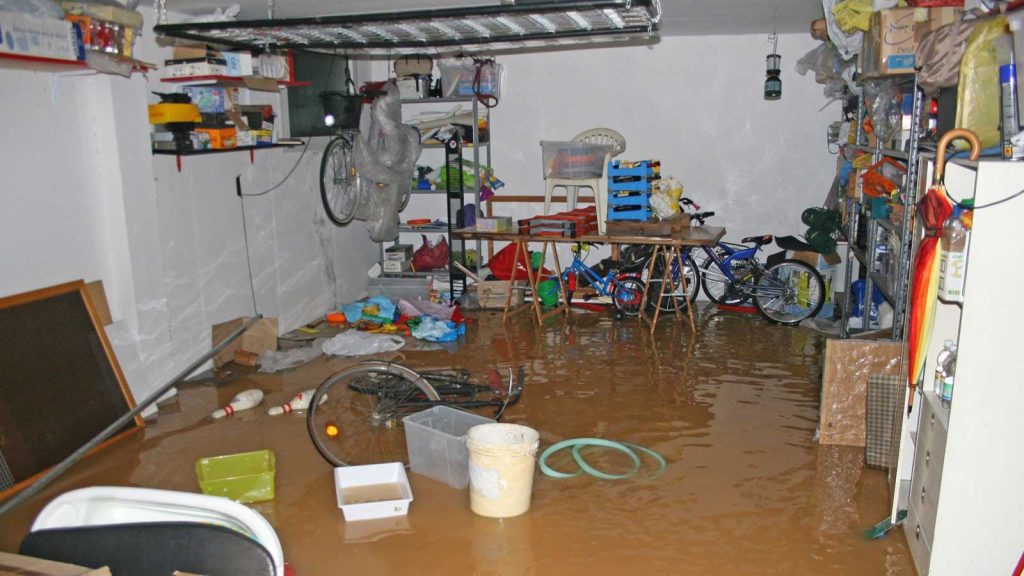
Here is the part nobody explains well when the water goes down: your damage does not have to be catastrophic to matter. It just has to be counted.
As cleanup grinds on across southern Somerset County after the August 10 and 11 flooding, county officials are making an unglamorous but urgent ask. Report what you lost. All of it. Even if you are sure it is too small to bother anyone with.
The math problem
To unlock federal disaster assistance, Somerset County has to clear a PEMA damage threshold of roughly $24 million. County officials say that is a hard number to reach, even though the damage from this storm is considerable. One flooded basement does not move that needle. Neither does one washed-out driveway or one ruined furnace.
But hundreds of them, added together, might.
Local emergency management coordinator Harvey Wetzler says officials have been assessing damage since Wednesday, August 12, and the strategy is exactly that: combine everything.
“We got around and got word out that, ‘hey, maybe your damage might not meet a threshold,’ but if we can combine and show the impact to the community as a whole we may have a better chance at getting some type of state or federal assistance,” Wetzler said.
Think of it like passing a hat. Nobody’s contribution looks like much on its own. The pile is what does the work.
Who got hit
The communities named as hardest hit read like a roll call of the mountain: Confluence, Meyersdale, Ursina, New Centerville, Mount Davis, Rockwood, Salisbury, Garrett, Addison, Wellersburg, Casselman, Callimont and Seven Springs.
Residents along the Casselman River, Laurel Hill Creek and the Youghiogheny took the worst of Monday’s overnight rainfall. Weather observers put the event in 1-in-200-year territory, with four to six inches falling in a short window. South of Confluence, the Youghiogheny climbed roughly nine feet in seven hours before it began to recede Tuesday morning.
Where else to turn
Federal disaster assistance is not the only door. Wetzler points to two other avenues residents can pursue right now:
- The U.S. Small Business Administration, which offers disaster loans to homeowners and renters, not just businesses, despite the name
- The Community Foundation for the Alleghenies
Confluence business owner Brandy Freese has been collecting neighbors’ information and passing it along to PEMA herself.
“It makes me want to cry but I’m not giving up. A lot of people call me and say that they think they’re not going to get anything and that it’s useless to even try but I’m not giving up,” Freese said. “As long as people keep contacting me, I’ll keep giving their information to FEMA.”
People here have worked hard their whole lives, she said, and they have never seen anything like this.
What to do this week…
Document everything. Photograph the damage before you haul it to the curb, if you have not already. Write down what you paid for what you lost. Keep receipts from the cleanup itself. Then get that information to Somerset County emergency management so it lands in the county total.
The alternative is a pile that comes up short because a few hundred people quietly decided their loss was not worth mentioning.
Source: WJAC, “’Not giving up:’ Residents in southern Somerset County seek emergency aid for flood damage,” August 14, 2026.