Somerset County Passes Its Data Center Ordinance, Unanimously
Somerset County commissioners unanimously passed a new data center ordinance Tuesday at the Bakersville Fire Hall, setting countywide rules on water use, power generation, noise, setbacks and more.
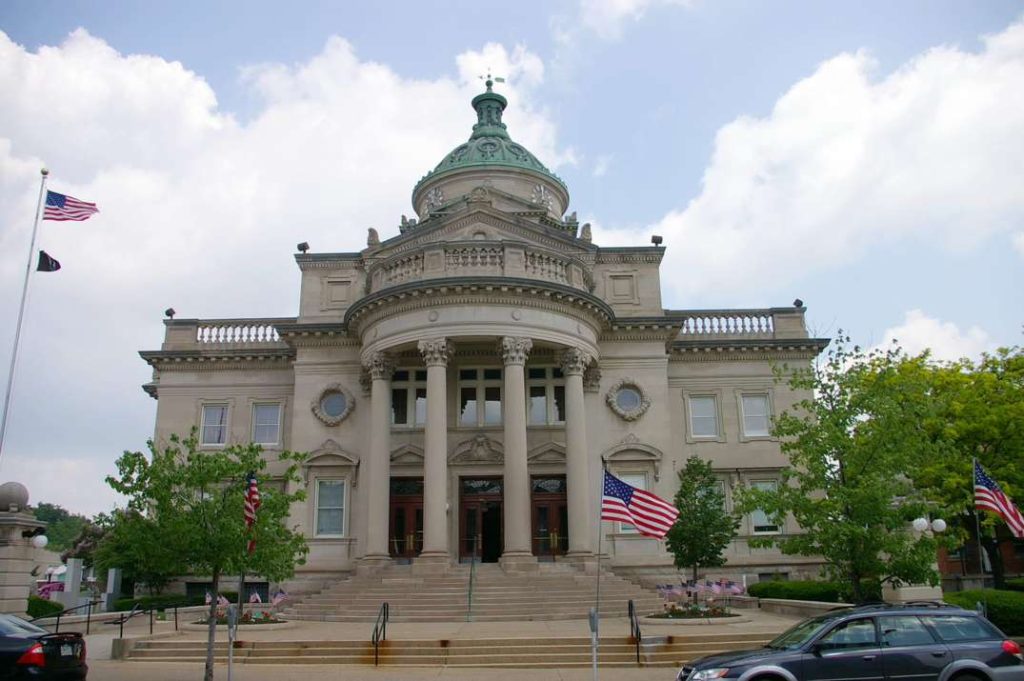
Somerset County commissioners unanimously approved a new ordinance regulating data center development Tuesday night, following a public hearing at the Bakersville Fire Hall where residents pushed officials to protect the county’s water, air and character.
The vote had originally been planned for early October, but the board took extra time after an earlier hearing in late September produced what Commissioner Brian Fochtman, the board’s president, called a stronger draft. “We feel that we’ve got a much better ordinance because of that,” Fochtman said. Commissioner Irv Kimmel Jr. agreed, saying the board had worked in a lot of the public comment. The data center rules passed alongside four other land use ordinances taken up the same night, covering communications towers, wind turbines, solar facilities and the county’s subdivision and land development code.
Under the new rules, any data center built in Somerset County has to run on a closed loop water system that recirculates water instead of constantly drawing from and discharging into local water sources. Open loop, pass through and discharge systems are prohibited. Developers have to build their own on site power generation sized to 150 percent of the facility’s maximum usage, so a data center cannot lean on the regional grid the way homes and small businesses do. Buildings must sit at least 1,000 feet from neighboring structures, with larger buffer zones required for bigger projects, and stricter setbacks apply near schools, churches and other gathering places. Noise at the property line is capped at 57 decibels, roughly what you would hear from a dishwasher running in the next room. The ordinance also sets limits on lighting and building height, requires a planning commission review and a public hearing paid for by the developer, charges a $10,000 application fee, and requires a funding plan to tear the facility down and restore the land if it ever closes.
County officials were careful to note what the ordinance cannot do. Pennsylvania law does not let a county ban a land use outright, data centers included, so Somerset’s commissioners could not simply forbid them. What they could do, they said, was set firm conditions for where and how one gets built. County code co-solicitor Benjamin Carroll has made that point at earlier hearings: the county’s power is to regulate land use for public health and safety, not to zone an entire industry out of existence.
Somerset’s ordinance is thought to be among the first countywide data center rules adopted anywhere in Pennsylvania, arriving as developers pitch dozens of similar projects across the state, including the large Amazon data center campus proposed for the former Homer City power plant site in Indiana County. No developer has filed plans for a data center in Somerset County. The rulebook is now simply in place for whenever one does.
Sources:
- WJAC: Somerset County commissioners unanimously approve new data center ordinance (Oct. 20, 2026)
- WTAJ: Somerset County passes strict ordinance on data center regulations (Oct. 21, 2026)
- The Tribune-Democrat: Somerset County approves ordinance regulating data center development (David Hurst, Oct. 21, 2026)
- The Tribune-Democrat: As data center proposals surge statewide, Somerset’s law won’t stop developers from eyeing county, officials say (Oct. 20, 2026)
- The Tribune-Democrat: Somerset County unveils proposed data center guidelines; public hearing planned for Tuesday
- The Tribune-Democrat: Photo gallery, Somerset County residents urge officials to strengthen proposed data center regulations
- WTAJ: Somerset County residents push back against proposed data center rules at hearing (Sept. 29, 2026)
- Somerset County Government: Oct. 20 ordinance meeting notice
- WJAC: What’s next? Indiana County officials approve Amazon application for proposed data center
- Indiana Gazette: Amazon confirms interest in Homer City Energy Campus
- News & Views: Somerset County Writes Its Data Center Rules, Hearing Set for Tuesday